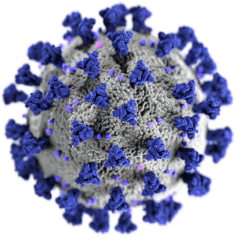
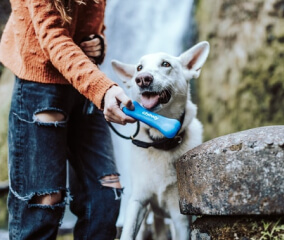
Cases of COVID-19 have been reported in several types of animals, including dogs, cats and mink. These cases are usually the result of contact with people infected with the virus.
Close contact with an infected person, such as being less than 2 meters away, increases the risk of inhaling respiratory droplets or having droplets fall on a person.
Under certain conditions, especially in poorly ventilated indoor spaces, the virus can remain in the air in the form of aerosols and be inhaled, which can cause infections.
Although not considered the primary route of transmission, it is possible for a person to become infected by touching a surface or object that has the virus on it (such as doorknobs, tables, etc.) and then touching their own mouth, nose or possibly their eyes.